Why luxury car parts require a different buying mindset
Buying luxury car parts is not the same as buying replacement parts for a mass-market vehicle. High-end cars are built with tighter tolerances, more specialized materials, and more model-specific engineering. A trim piece, control module, wheel, exhaust section, or body panel may look similar across years, but small changes in fitment, finish, mounting points, or software compatibility can make the difference between a clean repair and an expensive setback.
For owners, repair shops, restorers, body shops, and specialty resellers, the goal is usually not just to replace a broken component. The goal is to preserve the character, value, appearance, and performance of the vehicle. That is why many buyers look for used OEM parts rather than generic alternatives. A genuine used part can offer the correct look, feel, and function while helping control costs on cars where new components may be expensive, delayed, or difficult to source. When you are exploring available options, it can help to start broad with a category-based search through used luxury car parts categories, then narrow by brand, part type, condition, and exact vehicle fitment.
What makes used luxury car parts valuable
The value of used luxury car parts often comes from originality. Many premium vehicles are designed as complete systems, where the exterior, cabin, drivetrain, suspension, electronics, and hardware are all part of the same engineering language. Replacing a damaged component with an OEM part can help maintain that original balance.
This matters across both B2C and B2B buying situations. A private owner may want a Ferrari mirror, Maserati interior trim piece, Lamborghini carbon component, or Bentley body part that looks correct and does not compromise the vehicle’s identity. A repair facility may need a tested module, a clean panel, a wheel, or a mechanical component quickly enough to keep a job moving. A parts reseller may be looking for inventory that has strong demand because it fits desirable models. In every case, the buyer is balancing price, availability, authenticity, and risk.
Used parts also support smarter resource use. Luxury vehicles often contain expensive materials, including aluminum, carbon fiber, leather, high-grade electronics, and specialty finishes. When a usable OEM part is recovered from a dismantled vehicle, it can continue serving another car instead of being wasted. For some buyers, that practical sustainability is part of the appeal. For others, the strongest reason is availability: certain components may no longer be easy to order new, especially for older exotic and premium models.
Fitment should lead the decision
Fitment is the first thing to verify before buying luxury car parts. Start with the make, model, year, trim, engine, drivetrain, and market version of the vehicle. Then compare the visible details: mounting tabs, connectors, finish, material, part numbers, and any notes about left-hand or right-hand placement.
Do not assume that a part fits simply because it comes from the same brand. A Ferrari part may differ between model years. A Maserati component may change with trim or production date. A Lamborghini body or carbon fiber item may be specific to one variant. A Bentley interior piece may depend on color, veneer, stitching, or option package. When in doubt, buyers should use part numbers, photos, measurements, and professional verification before committing.
Brand specific considerations for premium vehicles
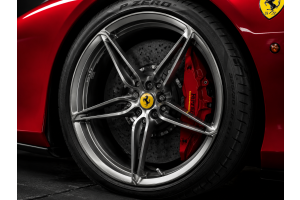
Different luxury and exotic brands create different buying priorities. For Ferrari owners and shops, originality and finish can be especially important because even small cosmetic mismatches may stand out on a highly curated car. If you are searching for Ferrari components, the Ferrari parts page is a logical place to begin.
Maserati buyers may focus on a blend of performance, comfort, and design details. Interior parts, exterior panels, lighting, wheels, suspension components, and electronics can all be meaningful depending on the model and repair need. A category search can help, but buyers focused on the marque can also browse Maserati parts directly.
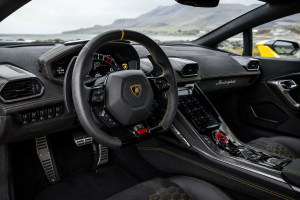
Lamborghini parts often involve dramatic styling elements, lightweight materials, performance hardware, and model-specific exterior pieces. Even when the part appears simple, fitment can be highly specific. For example, carbon fiber, wheel, aero, and body components should be checked closely for finish, mounting integrity, and compatibility. Buyers can begin with Lamborghini parts or search directly for a term such as carbon fiber wheel when looking for a more specific component type.
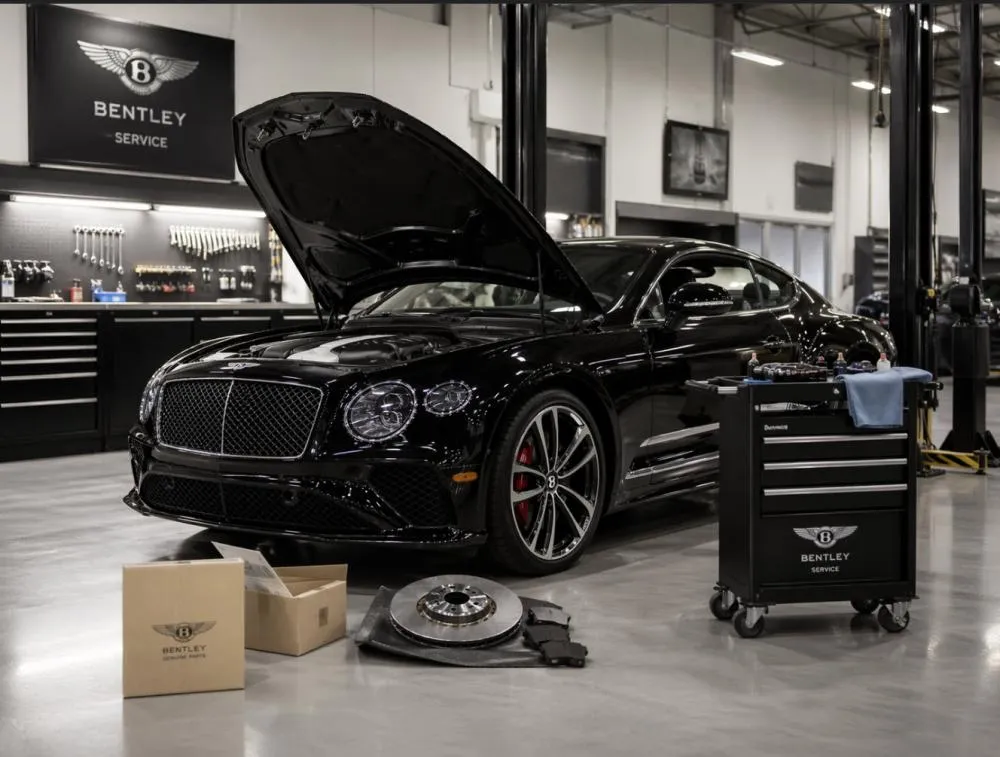
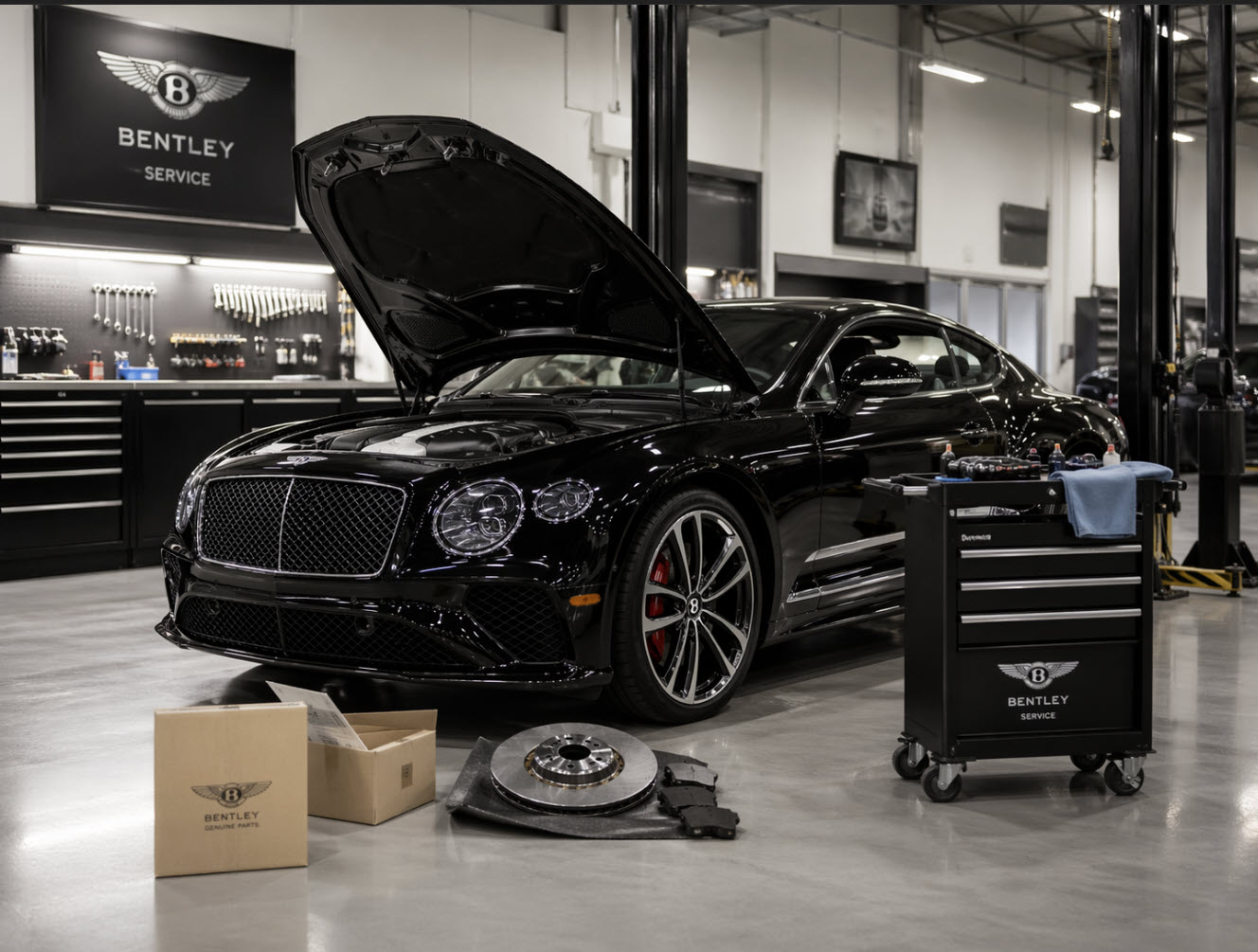
Bentley buyers may place special emphasis on refinement. Cabin materials, trim, body parts, lighting, suspension pieces, and mechanical components should support the quiet, substantial feel of the car. Because many Bentleys are option-rich, matching color, finish, and configuration can be just as important as basic mechanical fit. For marque-specific browsing, use the Bentley parts page.
How to evaluate condition before buying
Condition evaluation is one of the most important parts of buying luxury car parts. Photos should be reviewed carefully, especially for tabs, edges, mounting points, connectors, surface wear, scratches, corrosion, previous repairs, or missing hardware. A clean part does not always mean a perfect part, and a used part does not need to be flawless to be valuable. What matters is whether the condition matches the buyer’s purpose.
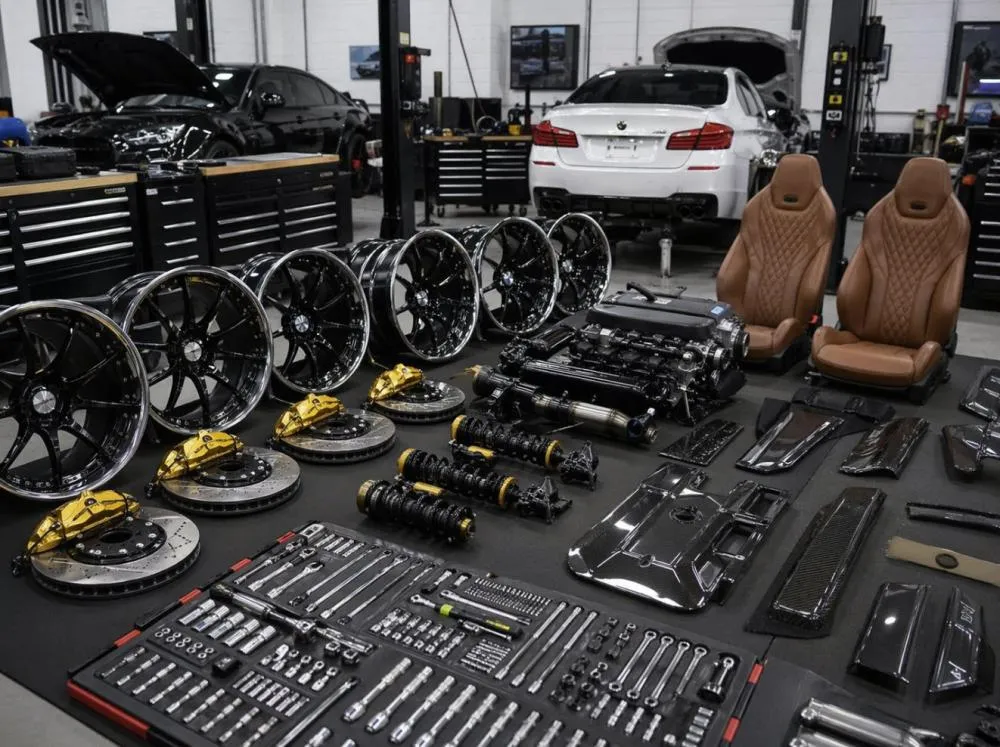
A body shop may be comfortable refinishing a panel that has minor paint marks, but not one with distorted mounting points. A mechanic may accept cosmetic wear on a hidden bracket, but not damage to a sensor connector. A private owner may reject an interior trim piece with visible scratches, while a reseller may still see value if demand is strong and the defect is clearly disclosed. For electronic parts, buyers should pay close attention to compatibility, programming needs, and whether the component is tied to a specific vehicle system. For wheels, carbon fiber, body panels, lighting, and interior pieces, close-up images can be especially useful because these parts affect the final appearance of the car.
Questions to ask before checkout
Before ordering luxury car parts, buyers should slow down and confirm the details that matter most. Is the part for the correct side of the vehicle? Does it match the exact model year? Are there part numbers or donor vehicle details available? Are connectors, tabs, brackets, clips, and hardware shown clearly? Will the part need paint, coding, calibration, refinishing, or professional installation?
These questions are especially important for business buyers handling multiple repairs at once. A shop that orders the wrong component may lose time, stall a repair bay, or create extra communication with the customer. A reseller that misidentifies a part may sit on inventory longer than expected. A private owner may face return shipping, installation delays, or unexpected labor costs. The better the fitment work is before purchase, the smoother the ownership or repair experience usually becomes.
Where dismantled vehicles fit into the parts journey
Dismantled vehicles are an important source for used luxury car parts. When a high-end vehicle is dismantled, many components may still have useful life even if the complete car is no longer roadworthy. That can include panels, trim, wheels, suspension pieces, lights, modules, seats, glass, exhaust parts, and more.
For buyers, dismantled vehicle information can offer helpful context. Knowing the donor vehicle may make it easier to understand the generation, configuration, options, and possible compatibility of a part. It can also help when comparing similar-looking components across models. If you want to explore vehicles being parted out, review dismantled vehicles and use that context alongside category, brand, and part-specific searches.
This is particularly useful when a repair involves several related components. After a front-end collision, for example, a shop may need lighting, trim, brackets, panels, cooling components, and sensors. For an interior restoration, a buyer may want multiple pieces that match in color, material, and wear level. Looking at dismantled inventory can sometimes reveal a more complete path than searching for one isolated part at a time.
Balancing price, originality, and speed
The strongest buying strategy usually balances three things: price, originality, and speed. New OEM parts may be ideal in some situations, but they can be expensive or slow to obtain. Aftermarket options may be easier to find, but they may not deliver the same finish, fit, or long-term confidence. Used OEM luxury car parts sit between those choices, offering original equipment value with potentially better availability and cost control.
For B2C buyers, that balance may mean keeping a dream car looking and driving the way it should without overextending the repair budget. For B2B buyers, it may mean protecting margin, reducing cycle time, and giving customers a practical solution. A specialty shop, collision center, or independent mechanic may build trust by sourcing the right part efficiently and explaining why it is a good fit for the vehicle. A reseller may use the same thinking to identify parts with real market demand.
Still, price should never be the only factor. The cheapest option can become expensive if it does not fit, needs excessive refinishing, lacks required hardware, or creates installation problems. A slightly more expensive part with clearer photos, better condition, stronger fitment confidence, or more complete context may be the better purchase. This is especially true for high-value cars, where the labor and reputation risk can outweigh a small difference in part cost.
When to contact a parts specialist
If fitment is uncertain, it is better to ask before buying. Provide the vehicle details, the part you need, any numbers from the damaged component, and photos if available. Clear information helps a parts specialist understand whether a listed component is likely to match your needs.
This is also useful for unusual requests. Some buyers are searching for a visible cosmetic piece. Others need a mechanical component for a specific repair. Some are comparing options across brands or looking for a hard-to-find item. If you need help narrowing down options, use the contact page rather than guessing.
Final thoughts on buying with confidence
Buying luxury car parts is about more than finding a replacement. It is about protecting the design, performance, and value of a special vehicle. Whether you are repairing a Ferrari, sourcing Maserati inventory, restoring a Lamborghini, maintaining a Bentley, or helping a customer return a premium car to the road, the right used OEM part can make the process more practical and more rewarding.
Approach the search with patience. Confirm fitment. Study condition. Compare categories and brand pages. Use dismantled vehicle context when it helps. Ask questions when details are unclear. With the right process, used luxury car parts can offer a smart path to quality, authenticity, and long-term satisfaction.